177 Gordonhurst Ave, Montclair, NJ 07043
Safe Dental Implants: Everything You Need to Know



If you’re exploring dental implants, you’re likely wondering, “Are dental implants safe?” The answer is yes. With a remarkable success rate of 95-98%, dental implants have earned their reputation as one of the most reliable and effective solutions for restoring missing teeth.
Over the past few decades, dental implants have undergone significant advancements, thanks to technological and material improvements. Modern implants are designed with precision, utilizing digital tools like 3D imaging and computer-guided surgery to ensure optimal placement.
Whether you’re replacing one tooth or several, dental implants offer a durable and aesthetically pleasing option that can enhance your smile and overall oral health for years to come.
How Are Modern Dental Implants Designed?
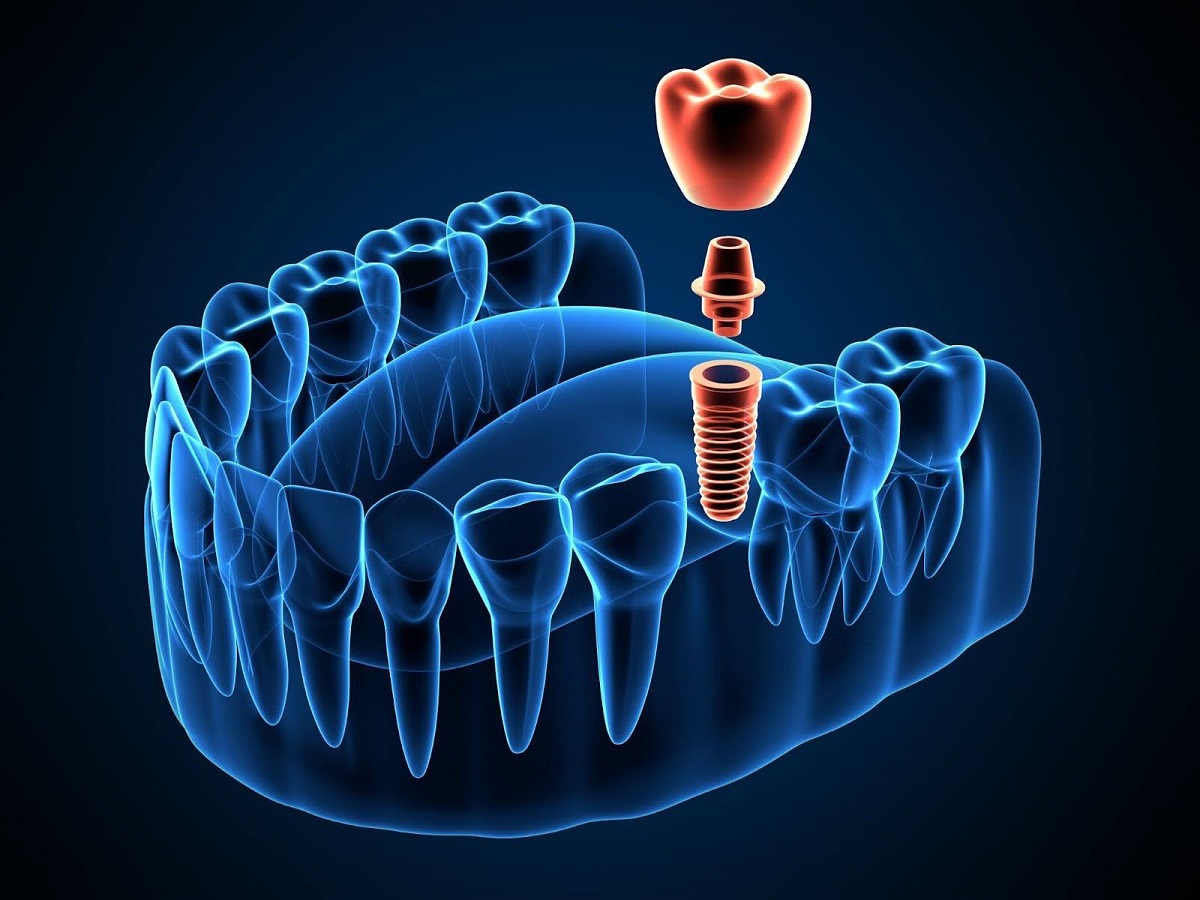
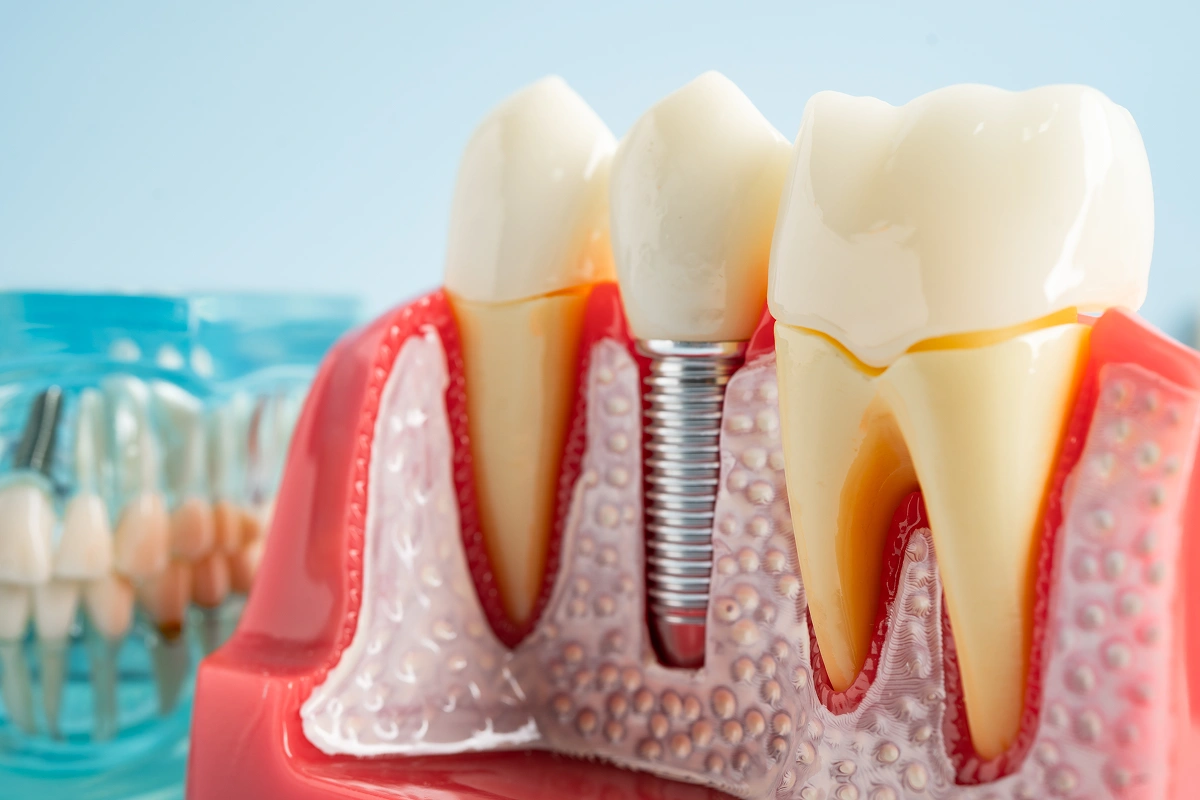
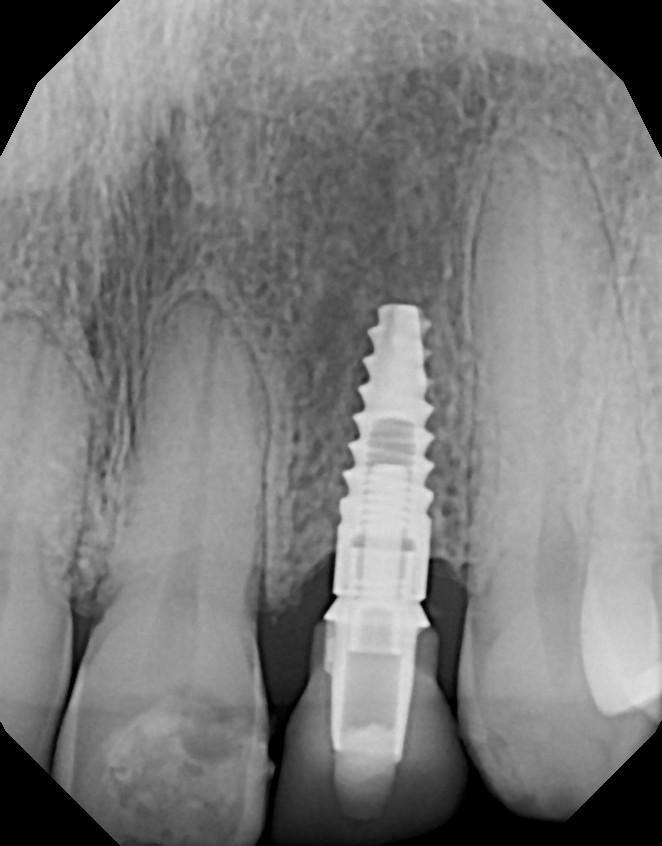
Today’s dental implants are made of biocompatible materials, most commonly titanium, that naturally bond with bone through a process called osseointegration. This makes them safe and well-tolerated by the body. Planning and technology play a crucial role in enhancing safety. Tools such as 3D cone beam imaging and digital intraoral scanners enable precise mapping of the jaw, thereby reducing risks during placement.
At our practice in Montclair, NJ, our dentists are trained to use this technology to maximize predictability and comfort. Proper candidate selection and adherence to aftercare protocols further reduce potential complications, making implants one of the safest long-term restorative options in dentistry.
Understanding the Possible Risks
Considerations regarding dental implants are generally safe and effective. However, it is essential to understand that, like any medical procedure, they carry potential risks. Although these occurrences are uncommon, they can happen, particularly if the treatment is not carefully planned or performed by a skilled dentist.
Some potential risks may include:
- Localized infection at the implant site
- Nerve sensitivity or numbness, particularly in the lower jaw
- Delayed healing, especially in patients with underlying health concerns
- Implant failure due to poor bone support or inadequate oral hygiene
In rare cases, individuals with chronic health conditions, such as uncontrolled diabetes, or those who smoke heavily, may face a higher risk of complications. That said, these challenges are manageable with the right approach.
Our dentists play a crucial role in minimizing these risks by thoroughly reviewing each patient’s medical and dental history, utilizing advanced imaging technology, and developing a personalized treatment plan. Regular follow-up care and proper home hygiene practices are essential for ensuring long-term implant success.
Also Check Out: Dental Implants Made Simple: Start-to-Finish Care You Can Count On
Complication Rates: What the Research and Experience Show
Worried about things going wrong? You’re not alone. However, the reality is that complications with dental implants are relatively uncommon, primarily when they are performed under well-controlled clinical conditions. Most studies report success rates ranging from 95% to 98%, depending on the patient’s oral and overall health.
When complications do arise, they are often mild and can be easily treated. Early signs, such as swelling, minor bleeding, or discomfort, are normal and typically subside within a few days. Long-term problems, such as loosening or implant failure, are often preventable. That’s why ongoing care with a trusted dentist is crucial.
What to Expect During and After the Procedure?
Many patients ask, are dental implants painful? The procedure is done under local anesthesia and is generally no more uncomfortable than a standard tooth extraction. Postoperative symptoms, such as swelling or tenderness, are usually mild and manageable with cold compresses and over-the-counter (OTC) medication.
The typical process includes:
- Implant placement
- Healing period for bone integration
- Final restoration with a crown or denture
A dentist with experience in implantology will guide you through each step, ensuring comfort and precision throughout your journey.
Treatment Process Tailored to Your Needs
At Ferguson Dental Associates, your dental implant journey begins with a thorough consultation and state-of-the-art digital imaging to evaluate your oral health and identify the best treatment approach. When a tooth extraction is required or bone volume is insufficient, Dr. David Ferguson often incorporates advanced regenerative techniques such as bone grafting and Platelet-Rich Fibrin (PRF) therapy.
Bone grafting restores and strengthens the jawbone, creating a stable foundation for implants. PRF, derived from your blood, is rich in healing factors that naturally accelerate tissue regeneration, reduce inflammation, and improve graft integration. This biologic approach not only promotes faster healing but also minimizes post-operative discomfort and enhances the long-term success of your dental implants.
Our team further enhances precision and efficiency through digital scanning and in-house 3D printing technology, ensuring that every restoration fits accurately and comfortably. Whether you’re replacing one tooth or undergoing a full-mouth rehabilitation, your treatment is personalized to maximize comfort, function, and aesthetics, helping you achieve a healthier, more confident smile with lasting results.
Who Makes a Good Candidate for Dental Implants?
Ideal candidates have healthy gums, good oral hygiene, and enough bone to support the implant. Patients with health issues may require pre-treatment. Fortunately, most individuals can qualify with proper planning from a skilled implant dentist whom Montclair patients trust.
Questions about dental implants and MRI compatibility are common. Most implants, made from non-magnetic materials such as titanium, are MRI-safe, providing peace of mind to those with medical imaging needs.
Comparing Options: Why Dental Implants Often Make Sense
Compared to other options, dental implants offer unique advantages:
- Look, feel, and function like natural teeth.
- Stimulate bone and preserve facial structure.
- Avoid altering healthy neighboring teeth.
These benefits of dental implants improve comfort, function, and confidence. While dental implants cost more initially, their durability makes them a wise long-term choice. When patients ask, How long do dental implants last? The answer is often several decades, provided proper care is received from a dedicated dentist.
Key Takeaways
In conclusion, are dental implants safe? When performed by an experienced dentist, dental implants are a safe and effective solution for replacing missing teeth. At Ferguson Dental, we specialize in customized dental implant treatments, using advanced imaging technology and precision planning to ensure the best possible outcomes.
If you’re searching for affordable dental implants, want clarity on dental implants cost, or need to know how long dental implants last, we’re here to help. From consultation to final restoration, we focus on comfort, safety, and lasting results. Schedule an appointment to discover how the best dental implants can transform your smile and boost your confidence.
FAQs
Q. What are the Risks of Dental Implants?
A: Dental implants have a high success rate, but as with any surgery, risks include infection, nerve damage, and implant failure. Other possible complications are allergic reactions to materials, excessive bone loss, and sinus issues.
Q. Why Might Dr. Ferguson Recommend Against a Dental Implant?
A: Dental implants require sufficient jawbone density. If bone loss or resorption is present, your dentist may recommend bone grafting or other options to improve suitability for implants.
Q. What is the Safest Type of Dental Implant?
A: Titanium Tooth Anchors are the most durable, known for their strength and longevity. Both titanium and ceramic implants are safe, with titanium being preferred for its proven track record and biocompatibility.