177 Gordonhurst Ave, Montclair, NJ 07043
Brush, Floss, Live Longer: The Dental Habits Science Says Matter Most


“A 17-year study of 5,600 adults links brushing, flossing, and dental visits to longevity — not just oral health.”
Brush. Floss. See your dentist. You’ve heard it your whole life — but a growing body of research now tells us these habits aren’t just about preventing cavities. They may be linked to longevity. Multiple large-scale studies, from California to Japan to the UK, have found consistent associations between oral hygiene habits and healthy aging. The message is clear: what happens in your mouth echoes throughout your entire body.
The Science Behind Oral Health and Longevity
The Leisure World Cohort Study followed more than 5,600 older adults for 17 years and found that daily flossing, nighttime brushing, and regular dental visits were each independently linked to longer life — even after accounting for smoking, diet, exercise, and chronic disease history.
Key findings of the Leisure World Cohort Study:
- Those who never flossed had a 30% higher mortality risk compared to daily flossers. Even those who flossed only sometimes had a 14–18% increased risk — suggesting that consistency matters, and partial habits offer only partial protection.
- Those who never brushed at night had a 20–35% higher mortality risk compared to those who brushed every night. Even brushing every morning and skipping only the nighttime brush still left people at elevated risk — the study found nighttime brushing to be the single most significant brushing variable, more predictive than morning or daytime brushing.
- 30–50% higher risk for those who had no dental visits in the past year, compared to those who visited twice or more.
The Three Habits That Matter Most
- Brush at night: The Most Overlooked Step – Nighttime brushing was the single most significant brushing variable across studies. Skipping it leaves hours of accumulated bacteria in contact with your gums, a window that compounds over decades. Morning brushing alone was not enough to show the same benefit.
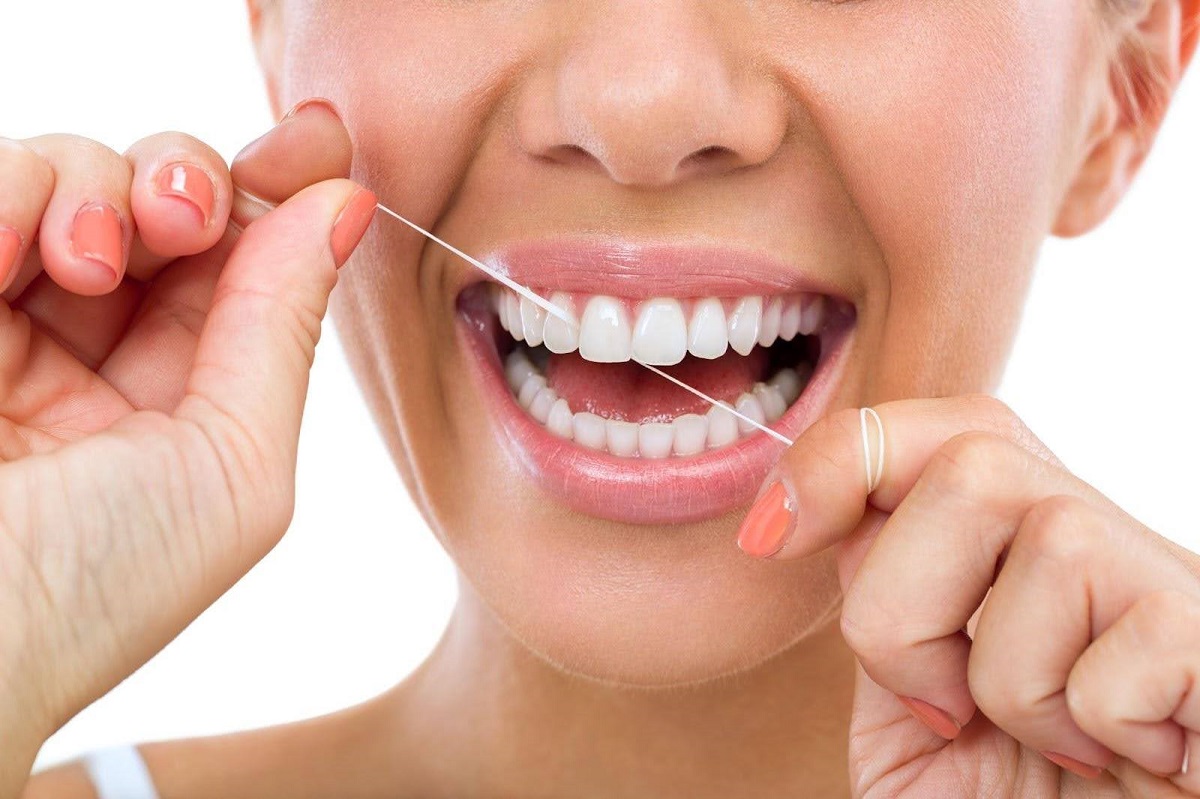
- Floss Daily: Reaching what Brushing Can’t – Flossing and nighttime brushing each predicted survival independently of the other. Floss reaches the bacterial film between teeth that a toothbrush can’t touch, the same bacteria linked to gum disease, chronic inflammation, and cardiovascular risk.
- Routine Dental Visits: Prevention and Early Detection – Skipping annual dental care was associated with a 30–50% higher mortality risk for both people with natural teeth and those with dentures. Professional cleanings at Ferguson Dental remove deposits that home hygiene cannot address, and thorough dental exams catch systemic warning signs early.
How Your Mouth Affects Your Whole Body
The connection between oral health and overall well-being is well established. Oral bacteria from untreated gum disease can enter the bloodstream and trigger inflammation throughout the body, a pathway linked to heart disease, stroke, diabetes complications, and respiratory infections. Tooth loss also affects chewing ability, food choices, and nutritional intake, all of which become more consequential as people age.
This is why we treat every dental visit at Ferguson Dental as a whole-health appointment, starting with thorough dental exams that go beyond cavity checks. Our experienced hygienists use Guided Biofilm Therapy, a modern approach that employs advanced technology to detect and remove bacterial biofilm more thoroughly and comfortably than traditional methods, targeting the very bacteria at the root of the oral-systemic connection. It’s also why we perform routine blood pressure screenings for every patient, because high blood pressure, like poor oral health, is often silent until a serious event occurs. Many adults see their dentist more regularly than their primary care doctor.
Recent Global Research Confirms Findings
More recent research has only strengthened the key findings of the Leisure World Cohort Study across different populations and methodologies:
- Am J Prev Med · 2023: A nationally representative U.S. study found both objective and self-reported oral health are significant independent risk factors for mortality in older adults. (Yu et al., Univ. of Minnesota / Michigan)
- Scientific Reports · 2021: Tooth loss was associated with 59% higher all-cause mortality in a UK cohort; periodontal disease independently linked to cardiovascular death in a US cohort. (Kotronia et al.)
- Lancet Healthy Longevity · 2024: Poor oral health was among the most impactful modifiable risk factors for both functional disability and mortality in a large Japanese cohort of adults 75+. (Abe et al.)
“Oral health behaviors help maintain natural, healthy and functional teeth but also appear to promote survival in older adults.” — Paganini-Hill et al., Journal of Aging Research
Additional FAQs
How Does Oral Health Affect Overall Health?
Oral health affects overall health by influencing inflammation levels in the body. Gum disease allows bacteria to enter the bloodstream, contributing to chronic conditions.
Is Flossing Really Necessary Every Day?
Yes, flossing removes bacteria between teeth that brushing cannot reach and plays a key role in preventing gum disease.
Why Is Brushing At Night More Important Than In The Morning?
Nighttime brushing removes buildup from the day and prevents bacteria from multiplying while you sleep.
Can Skipping Dental Visits Affect Long-Term Health?
Yes, delaying visits can lead to undetected issues that may impact both oral and overall health.
What Are Early Signs Of Poor Oral Health?
Bleeding gums, bad breath, sensitivity, and gum recession are common early indicators.