177 Gordonhurst Ave, Montclair, NJ 07043
How Stress Affects Your Oral Health


Stress doesn’t just live in your shoulders or keep you up at night — it shows up in your mouth, too. A clenched jaw, a sore that won’t quit, a sudden bout of dry mouth: your teeth and gums often feel the pressure before you’ve even noticed that you’re stressed. Here’s what to watch for, and how to protect your smile when life gets hectic.
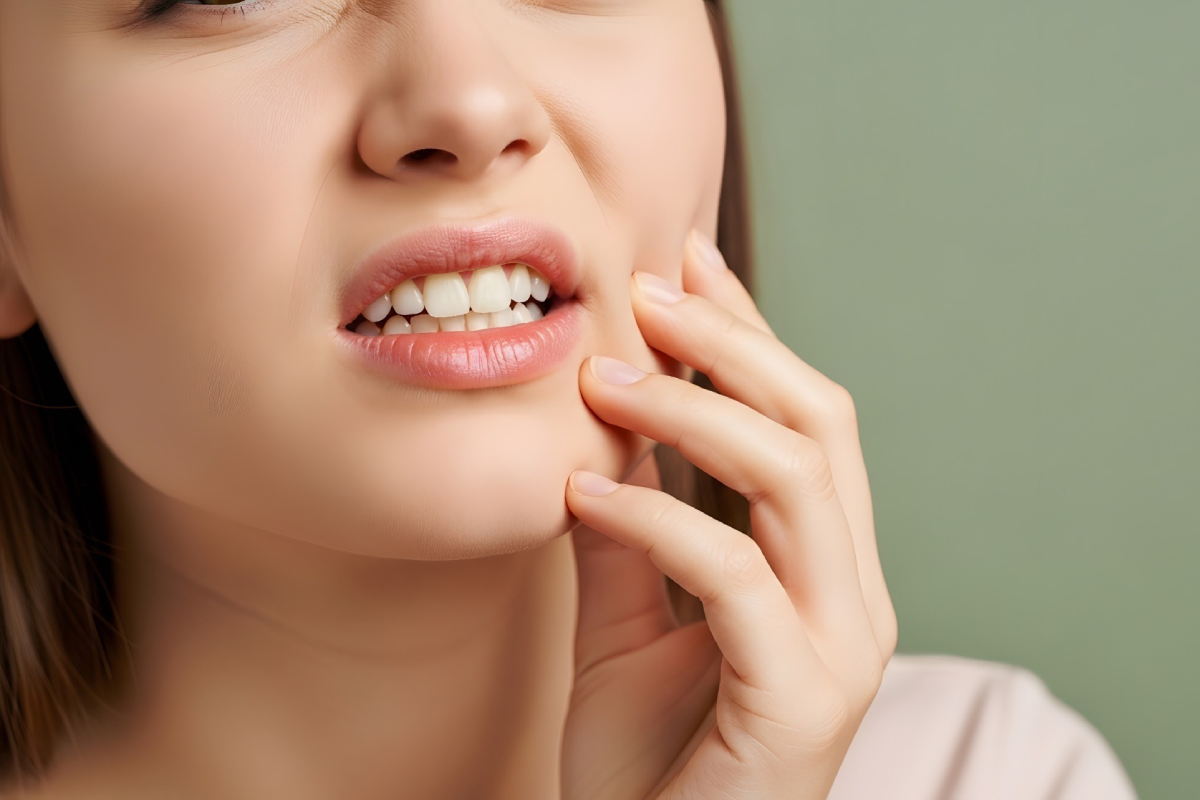
Teeth Grinding
A lot of people clench their jaw or grind their teeth without even realizing it, especially while they sleep. This habit is called bruxism, and stress is one of the biggest triggers.
A national poll from the American Dental Association’s Health Policy Institute found that more than 70% of dentists saw an increase in patients grinding and clenching their teeth, a trend tied directly to rising stress levels. Over time, bruxism can wear down your enamel, cause jaw soreness, and even crack teeth, so it’s worth catching early.
Gum Disease
The CDC recognizes stress as one of several factors associated with gum disease (periodontitis), alongside poor oral hygiene, smoking, and diabetes. Stress weakens the immune system, making it harder for your body to fight off the bacteria that cause gum infections — even a brief period of heightened stress can increase your risk.
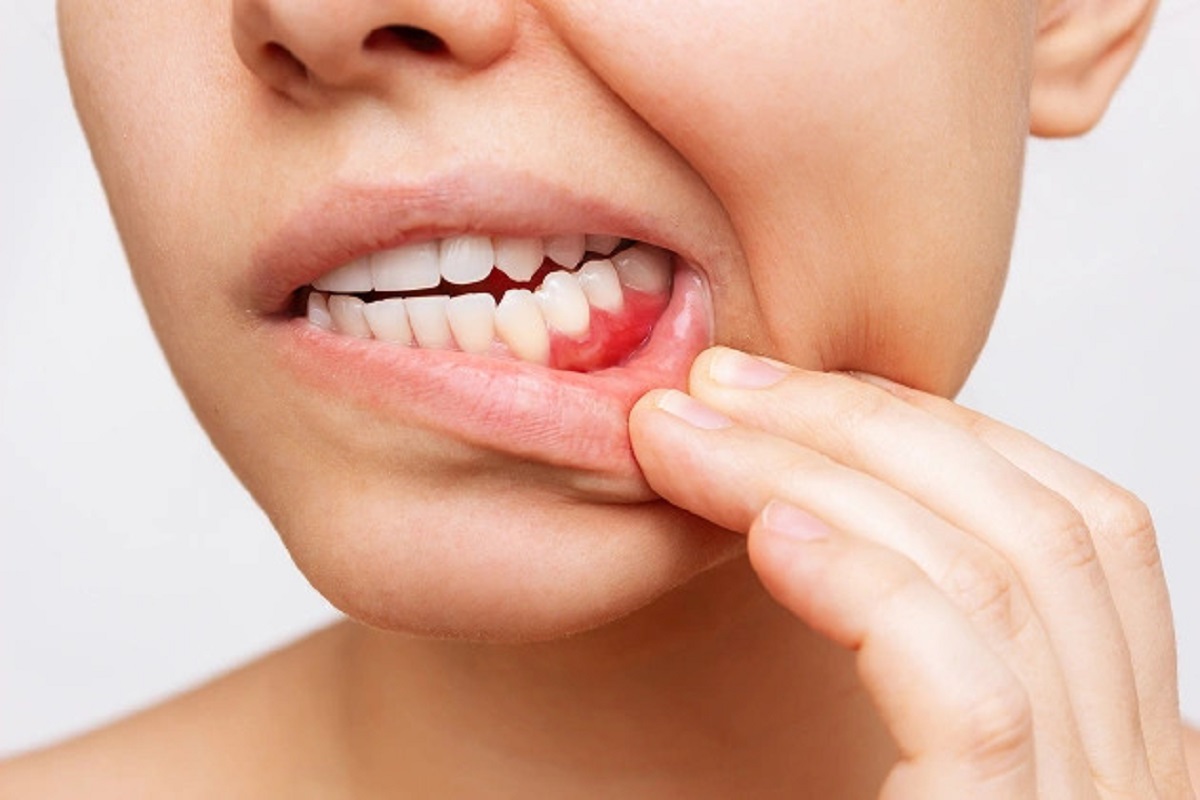
Canker Sores
According to the National Institute of Dental and Craniofacial Research (NIDCR), canker sores may be triggered by stress, along with injury, smoking, or certain vitamin deficiencies.
The good news: they typically heal on their own within one to two weeks. In the meantime, over-the-counter topical anesthetics and antimicrobial mouthwashes may help with discomfort, and it’s a good idea to avoid hot, spicy, or acidic foods that can irritate the sore.
Dry Mouth
Stress can reduce saliva production, leading to dry mouth. Saliva plays a key role in rinsing away bacteria and food particles. Without enough of it, the risk of tooth decay and gum disease goes up, and you may also notice bad breath or difficulty swallowing.
How Stress Changes Your Habits
Stress doesn’t only affect your body directly — it can also lead to choices that quietly chip away at your oral health:
- Skipping brushing and flossing when life gets hectic
- Reaching for sugary or acidic comfort foods
- Smoking or drinking more alcohol, both of which are linked to an increased risk of bruxism and other dental problems
What Dr. Ferguson or Dr. Braswell Can See
Our staff may notice signs of stress before you do. Worn-down teeth, inflamed gums, and frequent mouth sores can all be clues. Mentioning stressful life changes at your appointment helps your dental team give you the most complete care — and we may recommend a custom night guard if grinding is a concern.
Tips for Protecting Your Smile
- Brush twice a day and floss daily — even on your busiest days
- Stay hydrated to help combat dry mouth
- Ask Dr. Ferguson or Dr. Braswell about a night guard if you suspect you grind your teeth
- Manage stress through exercise, sleep, and relaxation techniques
- Keep up with regular dental checkups so issues can be caught early
Sources: American Dental Association (ADA), ADA Health Policy Institute, MouthHealthy.org, Centers for Disease Control and Prevention (CDC), National Institute of Dental and Craniofacial Research (NIDCR)